Original Paint Is Preserved
PDR reshapes the metal without repainting the repaired area, helping retain the original factory finish.
Paintless dent repair can remove qualifying dents and dings without sanding, body filler or repainting. AutoBody by Fisher evaluates the damage carefully to determine whether PDR is the right repair method for your vehicle.
PDR is a precise repair method that reshapes damaged metal while keeping the vehicle's existing finish intact.
Specialized tools are used to carefully work the metal back toward its original shape. Depending on access and the location of the damage, the technician may work from behind the panel or use controlled exterior techniques.
Because the original paint remains in place, qualifying repairs do not require conventional sanding, filler, primer or color matching. This can make PDR a practical option for parking lot dings, minor body dents and many hail-related dents.
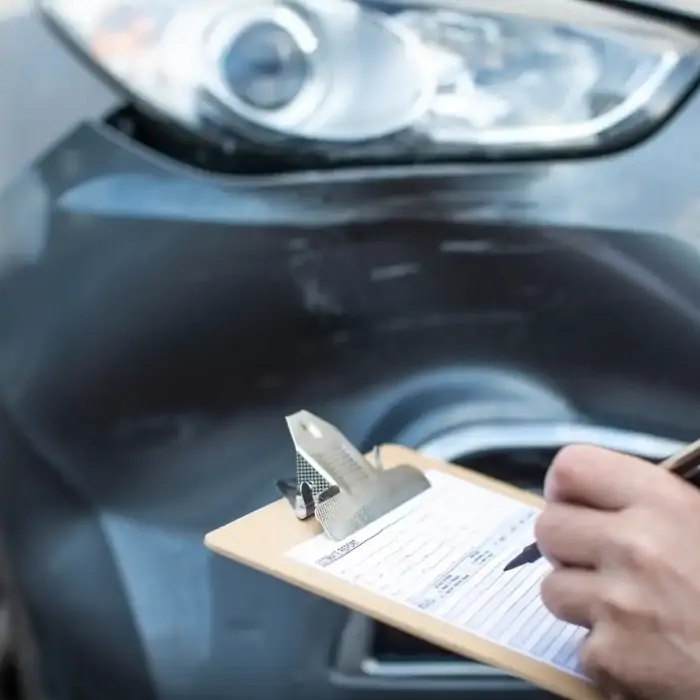
When the damage qualifies, PDR can restore the panel with less disruption to the vehicle's factory finish.
PDR reshapes the metal without repainting the repaired area, helping retain the original factory finish.
When conventional bodywork and refinishing are unnecessary, many PDR repairs can require less shop time.
Qualifying dents may cost less to repair because the process can avoid paint materials and extensive refinishing work.
PDR does not rely on body filler, primer and paint when the original finish remains usable.
Insurance policies may cover qualifying hail repairs, subject to the policy, deductible and claim determination.
The repair is directed at the dent itself rather than refinishing the entire surrounding panel.
The first step is determining whether the dent, paint and panel location make PDR a suitable option.
We review the size, depth, shape and location of the dent along with the condition of the paint.
The technician determines how the damaged area can be reached and which repair technique is appropriate.
Specialized tools and controlled pressure are used to gradually return the panel toward its original contour.
The panel is checked under proper lighting to evaluate the shape, reflections and completed appearance.
The condition of the paint and the shape and location of the damage determine whether PDR is appropriate.
Paintless dent repair is generally most effective when the finish has not cracked or separated and the metal has not been stretched too severely. Very sharp dents, damage along certain panel edges, inaccessible areas and dents with significant paint damage may require conventional collision and auto body repair.
A professional inspection is the best way to determine the right method. AutoBody by Fisher can explain whether PDR is likely to produce a good result or whether another repair approach would be more appropriate.
Paintless dent repair begins with determining whether the panel and finish are suitable for the process. These images help illustrate the types of surfaces and damage considered during an evaluation.
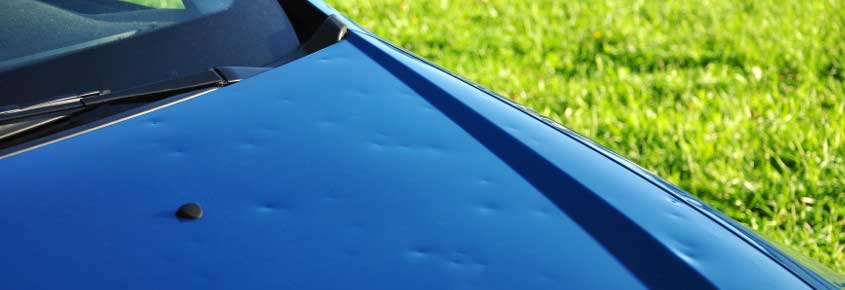
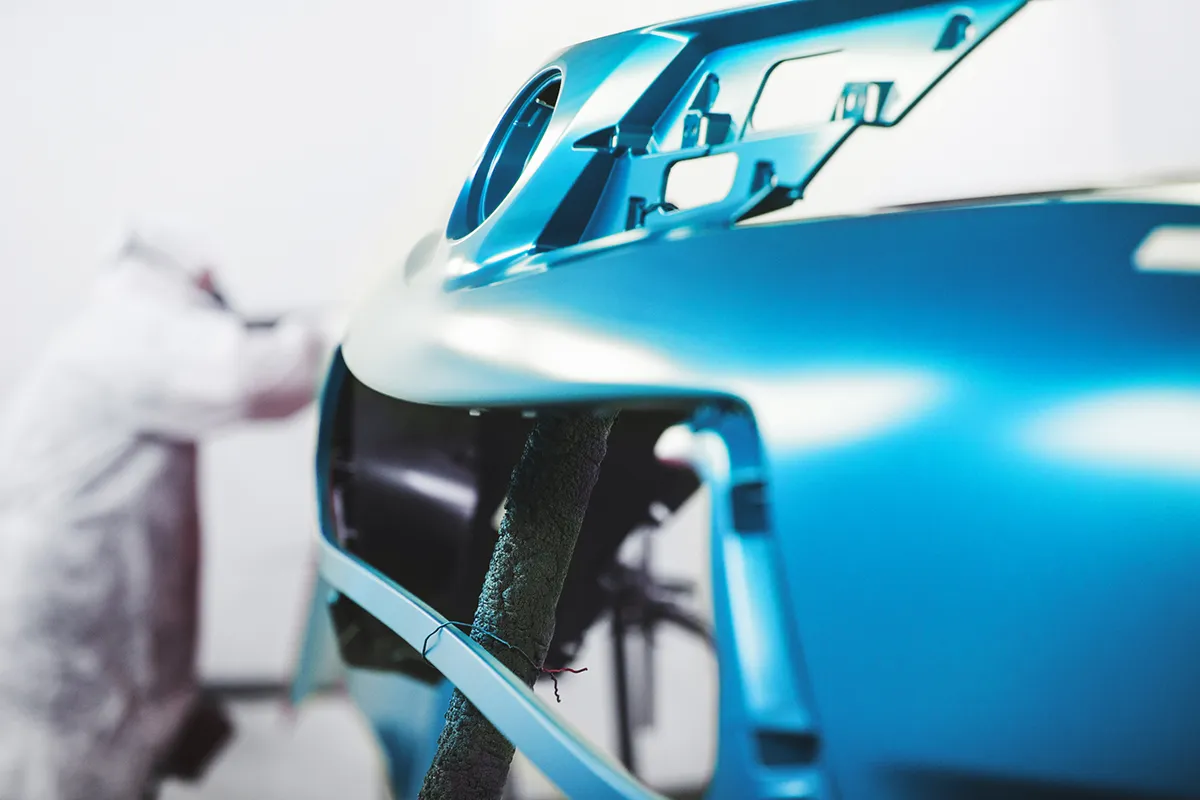
Hail often creates multiple shallow dents across the hood, roof, trunk and upper body panels. When the paint remains intact and the panel can be accessed, PDR may restore many of those dents without repainting the vehicle.
Some storms cause mixed damage. One panel may qualify for PDR while another has cracked paint, sharp impacts or damage requiring conventional repair. The vehicle should be evaluated as a whole rather than assuming every dent needs the same treatment.
See why preserving the original finish can make PDR useful after a hailstorm.
Learn why dents should be inspected rather than ignored.
Understand when visible damage may require a different type of repair.
Paintless dent repair is a method of reshaping damaged metal without sanding, body filler or repainting. Specialized tools and controlled pressure are used to return a qualifying dent toward the panel's original contour.
PDR may be suitable for door dings, parking lot dents, minor creases and many hail dents when the paint remains intact and the metal has not been stretched too severely. An inspection is needed to confirm eligibility.
Many hail dents can be repaired with PDR, especially when they are shallow and the original paint has not cracked. A vehicle may have a combination of dents that qualify for PDR and damage that requires conventional repair.
Yes. Preserving the existing paint is one of the main benefits of PDR. The method is only appropriate when the finish is in suitable condition and can remain intact during the repair.
Timing depends on the number, size, location and complexity of the dents, along with access to the damaged panels. Smaller repairs may be completed more quickly than conventional bodywork, while extensive hail damage can take longer.
Insurance may cover PDR for hail or other qualifying damage, depending on the policy, deductible and claim determination. AutoBody by Fisher can provide repair information for the claim process, but coverage should be confirmed with the insurer.
Send photos through the online estimate form or call AutoBody by Fisher to arrange an evaluation of the dent, paint and panel.
Start an Online Estimate Call (903) 482-5171